Is AI and Dental Imaging real or just marketing hype?

Dental technology promises progress, but confusion often follows innovation. Many clinicians hear bold claims about AI in dental imaging and feel unsure what to believe. Sales language sounds polished. Feature lists feel endless. Yet clarity feels missing. Practices hesitate because no one explains what is real, useful, or proven. That hesitation slows adoption and delays better patient care.
At the same time, interest in AI in dental diagnosis continues to grow. Imaging systems now promise faster reads, smarter planning, and improved outcomes. But without guidance, these promises blur together. The real issue is not whether AI exists. The real question is whether it truly helps clinicians make better decisions every day.
The real problem with AI messaging in dentistry
Most confusion starts with marketing language. Manufacturers highlight innovation, not workflow impact. They showcase futuristic tools without explaining their daily value. Many clinicians hear about automation but never see real examples. Others fear complexity, cost, or loss of clinical control. This gap creates skepticism. Dentists want evidence, not buzzwords. They want technology that fits their practice, not disrupts it. Without clear explanations, AI feels like hype instead of help.
What AI actually does in modern dental imaging
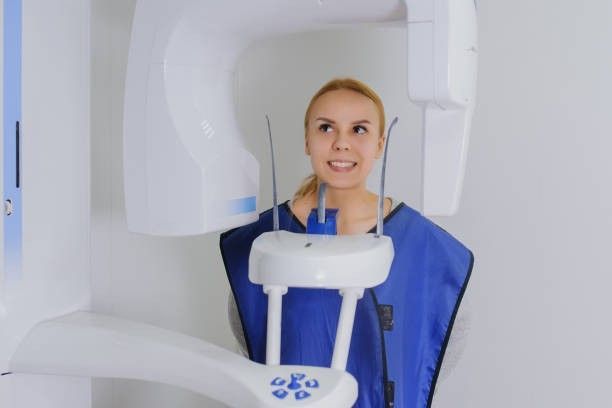
AI in imaging focuses on pattern recognition and data support. It does not diagnose independently. It assists clinicians by organizing information faster. In CBCT systems, AI can highlight anatomical landmarks. It can assist with nerve mapping, airway analysis, and implant planning.
These tools reduce manual steps. They improve consistency. They help clinicians review scans more efficiently. The final judgment still belongs to the dentist. AI simply improves clarity and speed during review.
Where AI adds real clinical value
The strongest value appears in repeatable tasks. AI excels at identifying structures across many scans. It reduces oversight risk. It helps standardize interpretation. This matters in busy practices handling complex cases.
AI also improves patient communication. Visual overlays make explanations easier. Patients see what clinicians see. That clarity builds trust and acceptance. Treatment conversations become faster and more confident.
Where AI does not replace expertise
AI does not replace training or judgment. It does not understand patient history. It does not weigh clinical nuance. It cannot adapt instinctively to unusual findings. These limits matter. Responsible vendors explain these boundaries clearly. They present AI as a support layer. They never position it as a decision maker. This honesty builds confidence and long-term trust.
Why CBCT is the foundation for AI tools
AI relies on data quality. CBCT imaging provides detailed three-dimensional datasets. That depth allows AI tools to function effectively. Poor imaging limits AI accuracy. Strong imaging enhances it. This makes system selection critical. Not all CBCT units integrate AI equally. Software compatibility matters. Update pathways matter. Long-term support matters just as much.
The risk of buying AI without context
Some practices buy AI features they never use. Others pay for tools that do not match workflows. These mismatches waste money and create frustration. The problem is not the technology. The problem is guidance. Proper evaluation starts with clinical goals. It considers procedure mix and case volume. It examines team comfort and training needs. Without this context, even good technology feels disappointing.
Education changes how AI performs in practice.
AI tools require understanding. Teams need to know what outputs mean. They need training to integrate results into daily routines. Without education, AI outputs get ignored. Effective partners focus on teaching, not selling. They explain how features perform in real clinics. They discuss strengths and limitations honestly. That approach turns features into functional tools.
Long-term usability matters more than innovation claims
Technology evolves quickly. AI features will change through updates. Practices need systems that grow, not stall. Software support and update paths matter. Vendor commitment matters. Short-term excitement fades fast. Long-term usability defines value. Practices benefit most from systems designed for steady improvement, not flashy launches.
How Northeast Dental Sales brings clarity to AI decisions
Northeast Dental Sales approaches AI with transparency and restraint. They focus on fit, not hype. Their team explains how AI in dental imaging works within CBCT systems offered through trusted manufacturers. They discuss realistic benefits tied to diagnostics and planning.
They help practices understand AI in dental diagnosis without overstating results. Their guidance connects features to workflows and budgets. Education comes first. Pressure never follows. That clarity helps practices invest with confidence and avoid costly mistakes.
Conclusion: separating real progress from noise
AI is real. Its value depends on how it is chosen and used. When aligned with strong imaging, proper training, and honest guidance, it supports better care. When sold without context, it disappoints.
Northeast Dental Sales helps practices navigate this space with clarity. They explain AI in dental imaging as a practical tool, not a promise. Their approach keeps decisions grounded, informed, and focused on long-term success.
Contact us
Let's connect! We’re here to help.
Send us a message and we’ll be in touch.
Or give us a call today at 201-259-5368
Agency Contact Form