How to Build a Smarter Dental Equipment Strategy
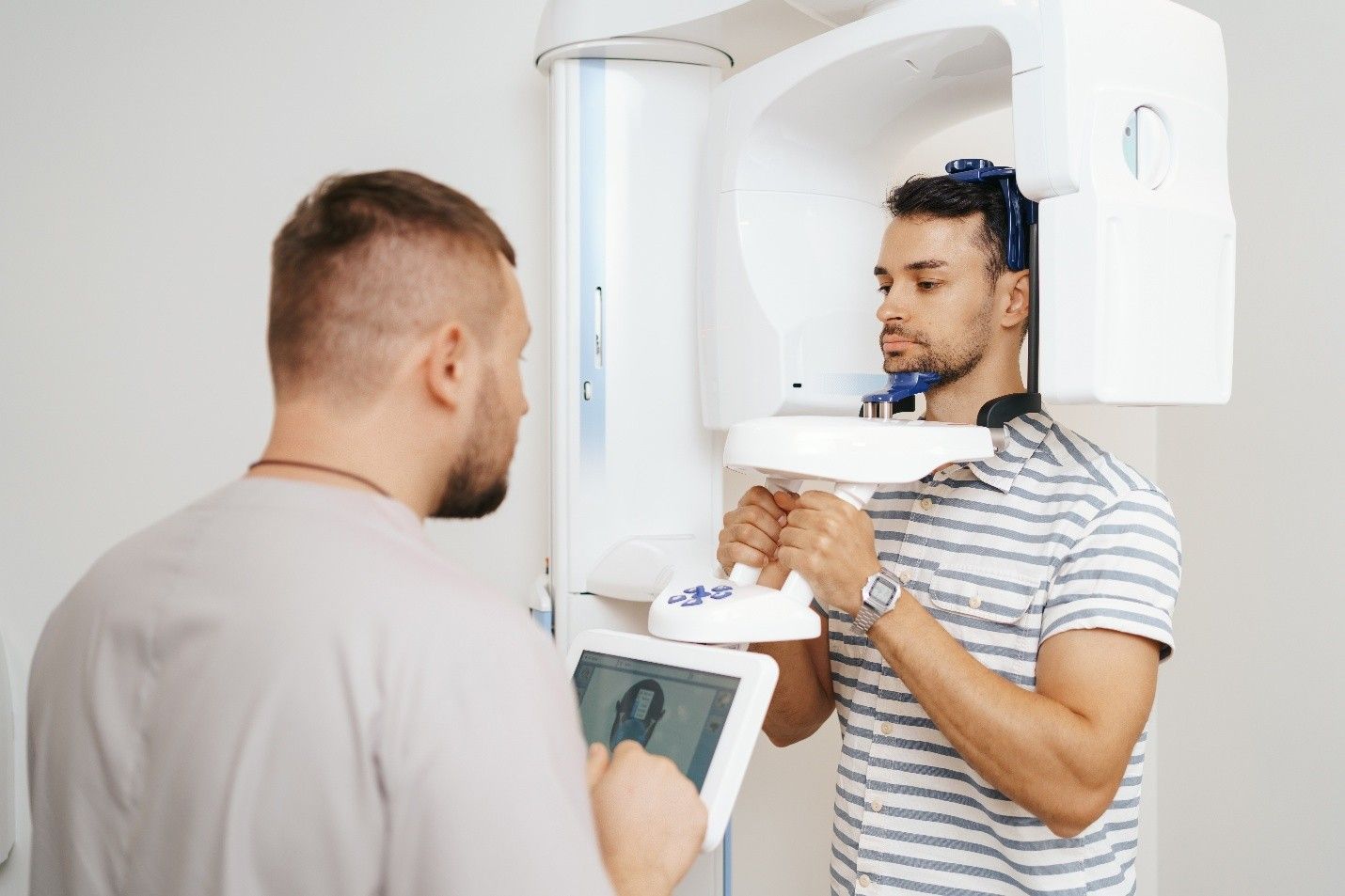
Running a modern dental office is not only about clinical skill. It takes a clear direction for operational expansion, and also a sensible way to use technology, which sometimes feels like nonstop. As a dedicated supplier of dental imaging equipment, we’re around clinicians every day who are trying to juggle tech upgrades with their quarterly budgets. The urge to buy the newest systems never really goes away, but buying without an actual plan usually ends up with machinery that gets used less than it should, and cash flow that feels tight for months.
We think real clinical success begins with dependable infrastructure. Being a premier dental equipment supplier in New Jersey, we have spent more than thirty years looking closely at how equipment decisions show up in daily workflows. If a practice wants to grow smoothly, clinicians can’t keep treating each equipment purchase like it’s its own little event. It has to connect, as a sequence, to one unified strategy. Not random buys, not “just in case” upgrades.
Why is traditional equipment purchasing failing modern practices?
A lot of practices still operate reactively, When a chair fails, they swap it. When a new technology goes viral, they grab it to stay in the same race with competitors. But this reactive approach is, in practice, inefficient. In recent dental industry reviews, up to sixty percent of high end clinical systems end up underutilized, mostly due to limited staff training or weak integration with the current office rhythms. We see the same pattern again and again: practices invest heavy into technology that doesn’t really fit where their patient volume is today. A smart strategy, instead of chasing the newest headline, ties each purchase to clear growth milestones and the actual capabilities of the team.
What role does custom configuration play in reducing practice stress?
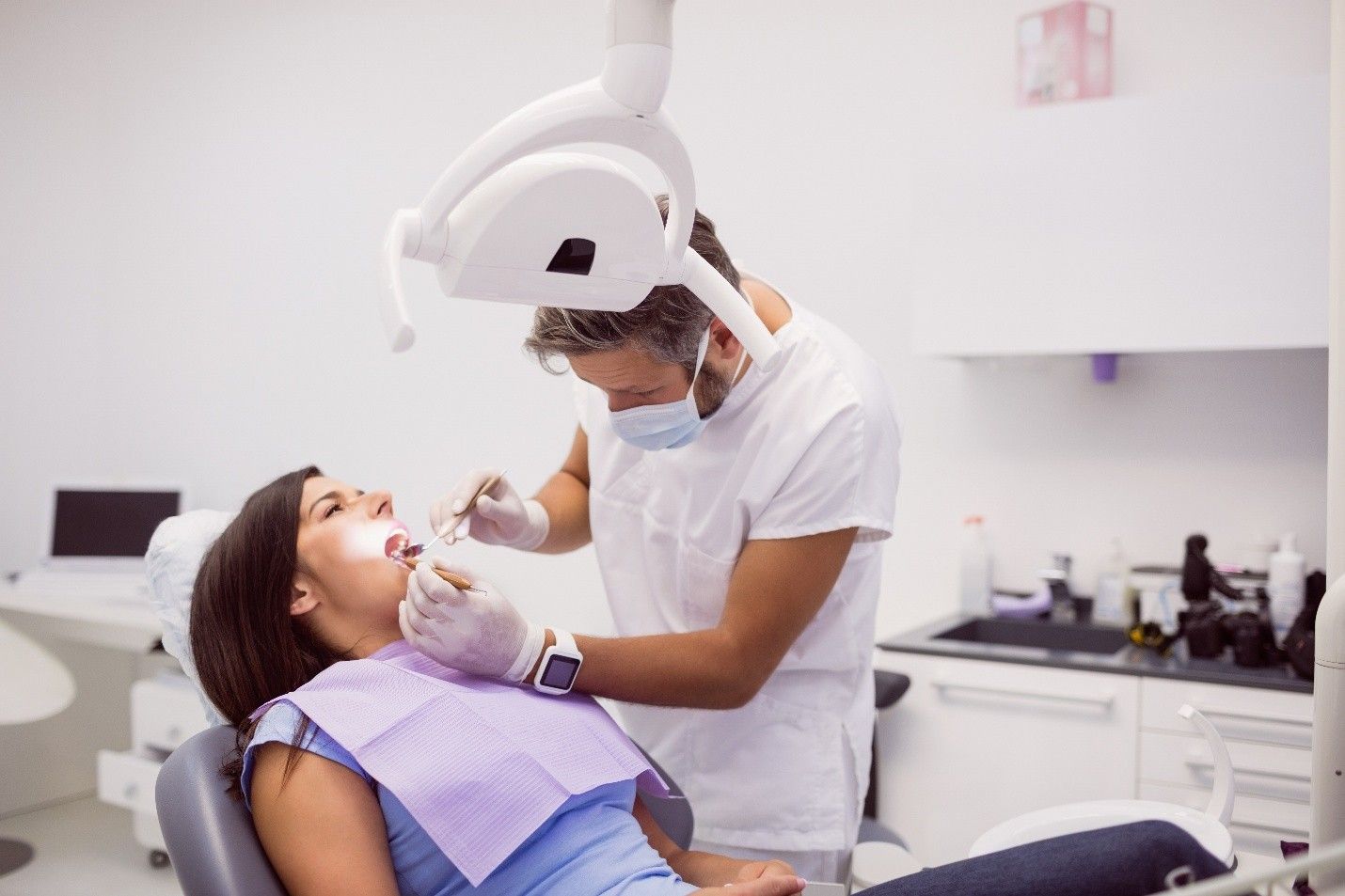
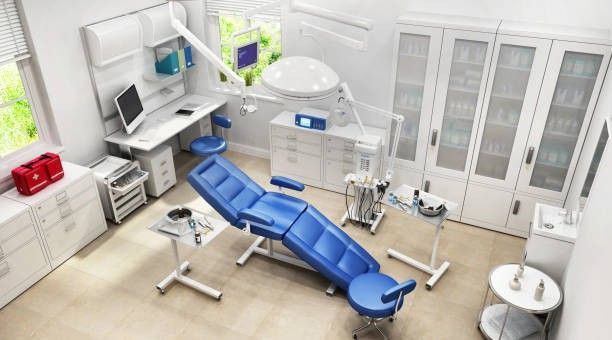
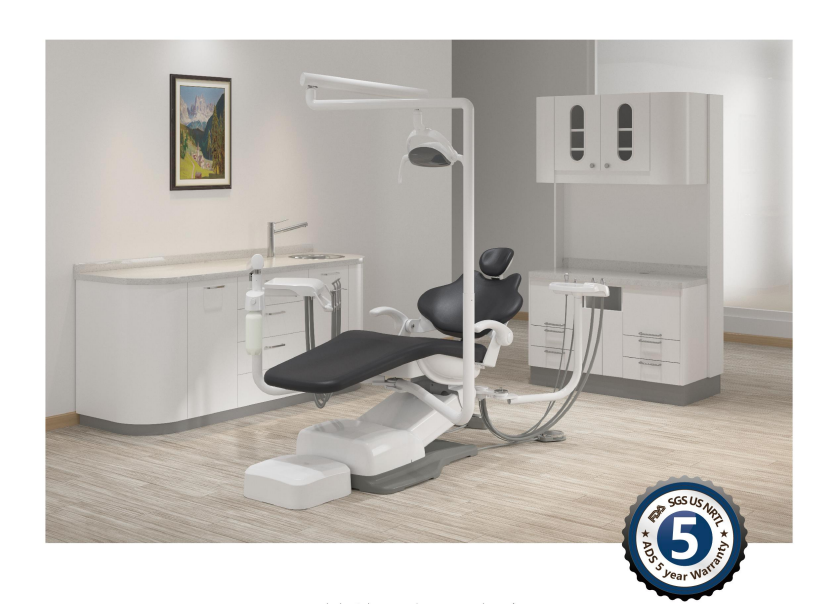
We advise not to push your credit lines too far for tech you might not use right away. Rather than that, try to find smart ways to set up your operatory layouts efficiently, with less fuss. For a sustainable path forward, we suggest concentrating on three core moves, first, set a reliable replacement cycle for your everyday handpieces; second, build ergonomic areas so your team can work with less unnecessary physical strain; and third, choose bundled operatory packages that keep the early setup costs still manageable.
How does technology integration improve patient retention?
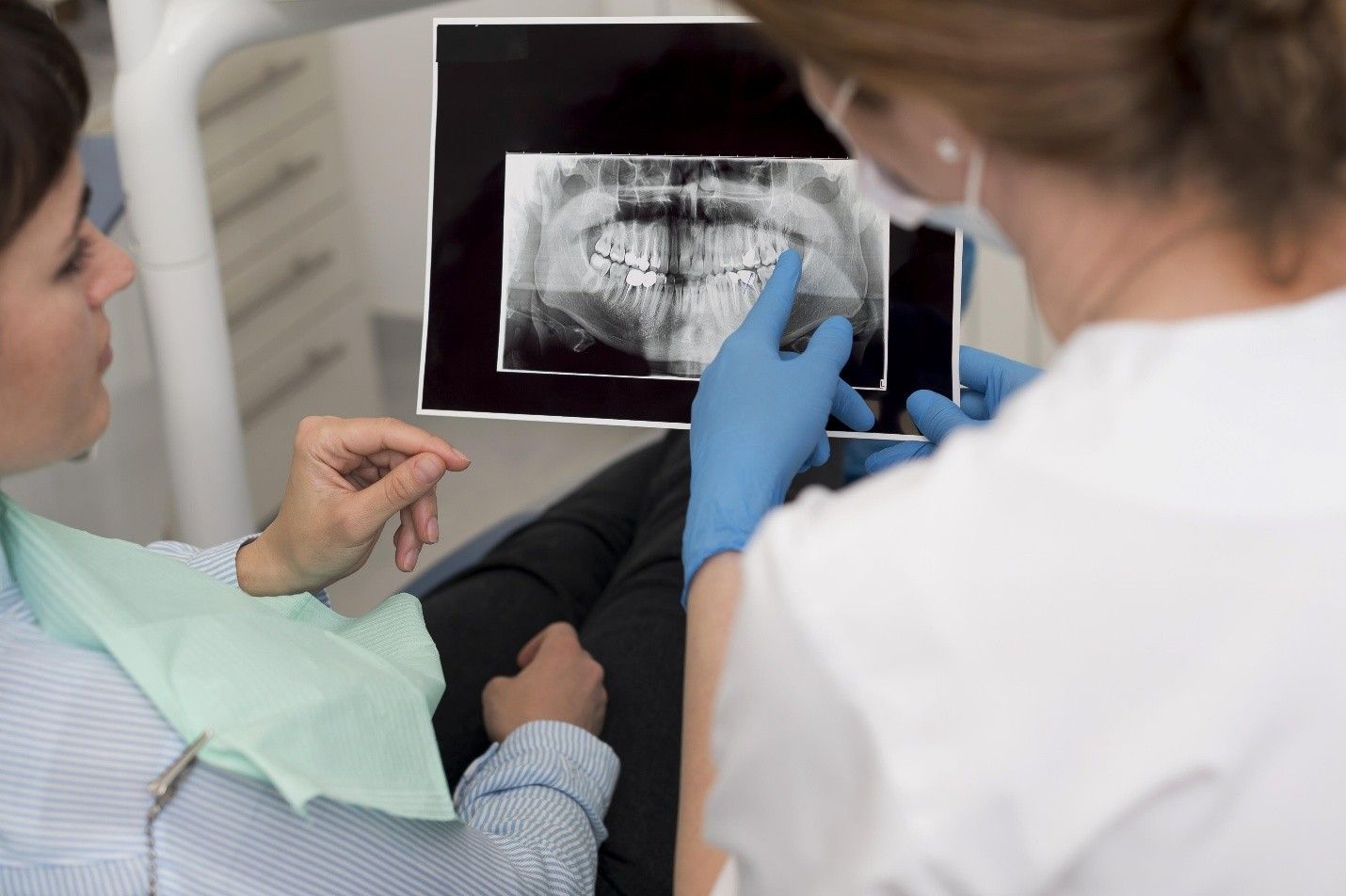
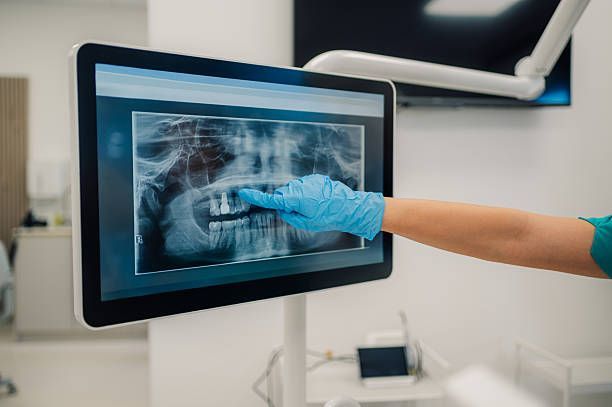
Nowadays patients expect diagnostics that are quick, precise, and pretty transparent. So when you bring in advanced technology, you are not only purchasing a device or equipment. You are getting a practical instrument that helps patients see what’s going on clinically. When someone views a high-definition image of their tooth, their confidence grows, and honestly that tends to raise treatment acceptance rates. That acceptance is what then links back to your ROI in a direct way.
Conclusion
Building a smarter equipment setup does not require a massive budget. It requires a relationship with an experienced partner who understands the clinical landscape. For practitioners in the tri-state area seeking tailored, premium equipment solutions, Northeast Dental Sales serves as a reliable partner. As a committed dental imaging equipment supplier and a trusted dental equipment supplier in New Jersey, we focuses on providing high-quality, factory-new solutions designed to fit your unique practice workflows.
Frequently Asked Questions
1. What are the key factors to consider when purchasing a 3D CBCT system?
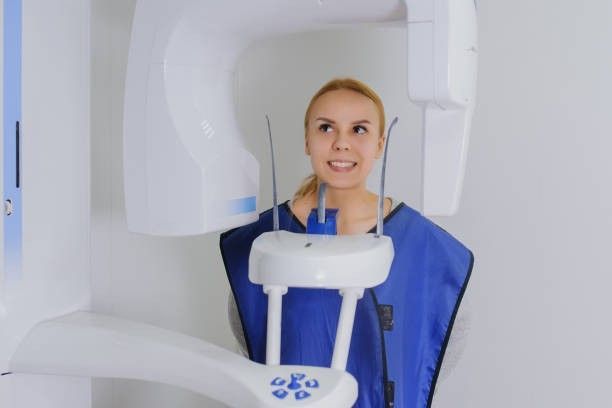
You should evaluate your practice space, your current case volume for implants or endodontics, and the ease of software integration with your existing practice management systems.
2. Is it better to buy a complete operatory package or individual components?
Operatory packages are highly cost-effective for new clinics or major renovations because they ensure all components are ergonomically and technically compatible from day one.
3. How can we ensure our staff is properly trained on new dental technology?
We recommend choosing manufacturers that offer comprehensive on-site training and post-installation support to ensure your team is confident using the new systems.
4. What is the impact of dental equipment ergonomics on staff retention?
Ergonomic chairs and delivery units reduce physical strain on dentists and hygienists, preventing long-term injuries and improving overall workplace satisfaction.
5. How often should a growing dental practice upgrade its core equipment?
While daily handpieces and equipment require regular maintenance or replacement, major assets like patient chairs and dental lights generally last ten to fifteen years with proper care.
Read Related Blogs:
Contact us
Let's connect! We’re here to help.
Send us a message and we’ll be in touch.
Or give us a call today at 201-259-5368
Agency Contact Form