How One Imaging Choice Can Change an Entire Operatory?

When we plan a modern dental practice, we often begin with the visible parts of the operatory. We think about the chair, delivery system, lighting, cabinetry, and patient comfort. Yet imaging can influence many of those decisions. As a dental imaging equipment supplier, we see the value of treating diagnostic technology as part of the practice plan from the beginning, rather than adding it after the room has already been designed.
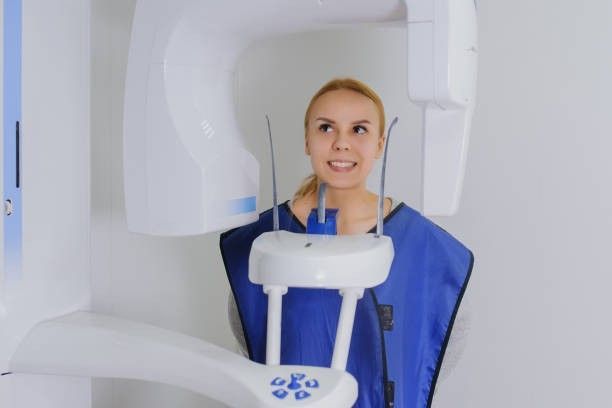
We also know that dental office setup equipment works best when each component has a defined place within the workflow. An X-ray system, panoramic unit, or CBCT system is not simply another machine to fit into a room. Its location, power requirements, software, operator access, and relationship to other equipment can affect how efficiently the practice functions.
Why should imaging be planned before the operatory is finished?
Imaging equipment can influence the physical and digital structure of a dental office. When we plan an operatory, we consider where equipment will be positioned, how patients and staff will move through the room, and how images will reach the appropriate workstation.
Planning early can also reduce the likelihood of making expensive changes later. Wall locations, electrical requirements, network connections, room dimensions, and equipment clearances may all need consideration depending on the selected system.
We therefore recommend thinking about imaging alongside the rest of the equipment rather than treating it as a separate purchase. A well-planned room should allow clinicians to move naturally between patient care, imaging, documentation, and other routine tasks.
How do we choose imaging equipment based on clinical needs?
We begin with the clinical purpose. Different imaging systems provide different types of information, so there is no universal solution for every dental office.
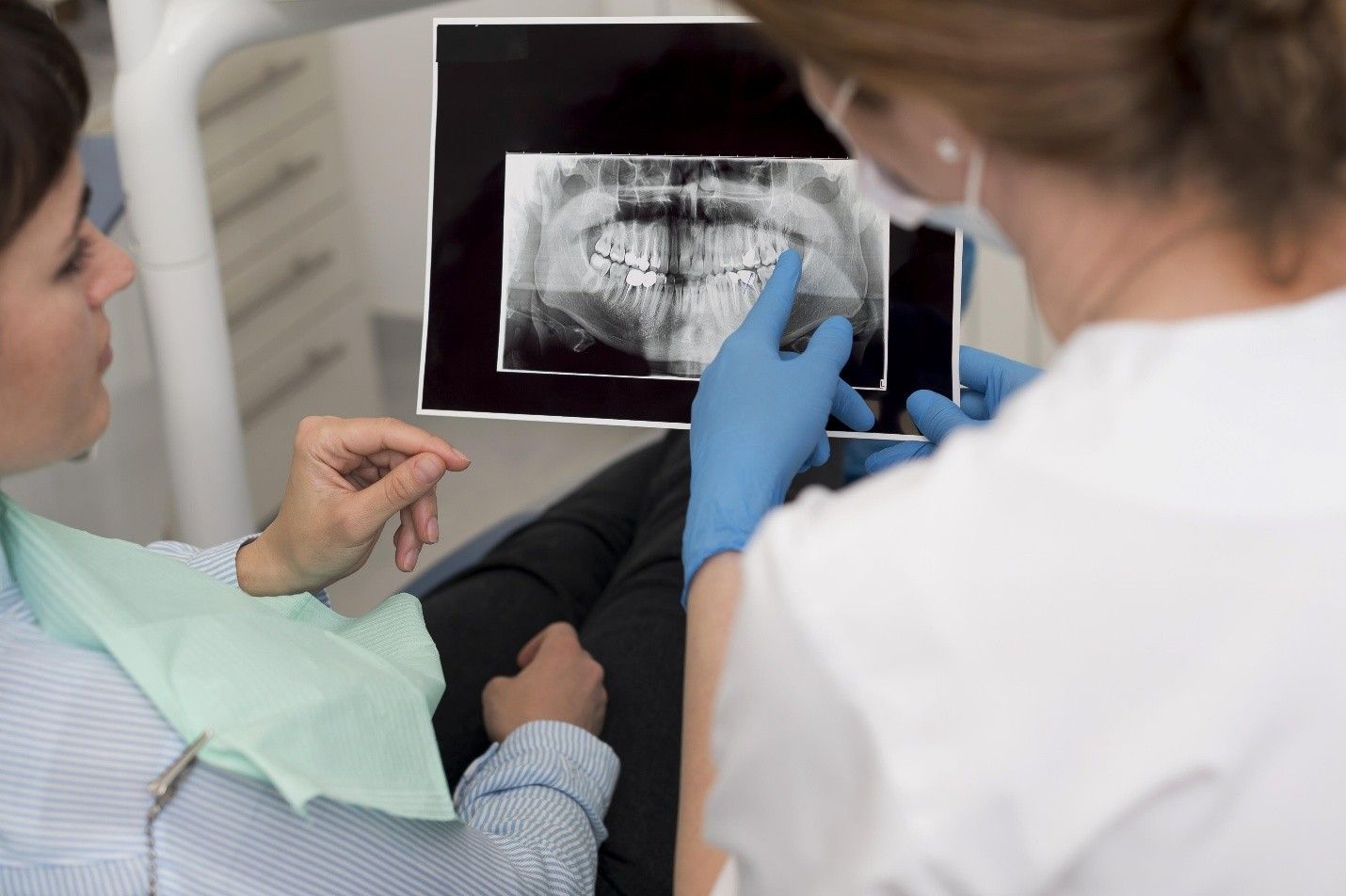
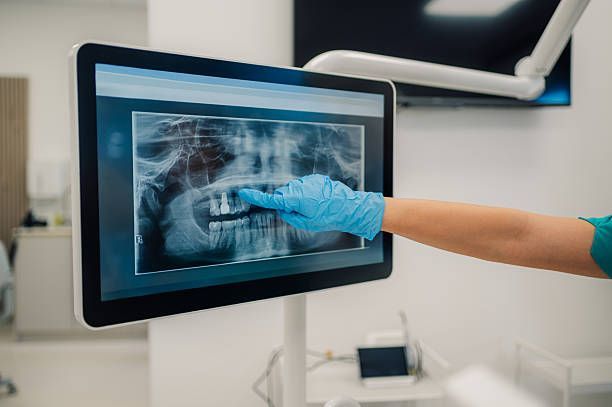
For routine intraoral imaging, we may consider systems designed for individual dental radiographs. Panoramic equipment can provide a broader view, while CBCT systems provide three-dimensional imaging for selected diagnostic and treatment-planning applications.
Our approach is to consider the procedures a practice performs, patient volume, available space, budget, and anticipated growth. We do not need the most advanced technology simply because it is available. We need technology that addresses a genuine clinical requirement.
This distinction becomes particularly important as dental imaging technology continues to develop. Digital radiography is already widely used across U.S. dental practices, with the American Dental Association reporting that approximately 90% of dental practices use digital radiography. That level of adoption makes thoughtful equipment selection more important, not less.
What should we consider when combining imaging with other equipment?
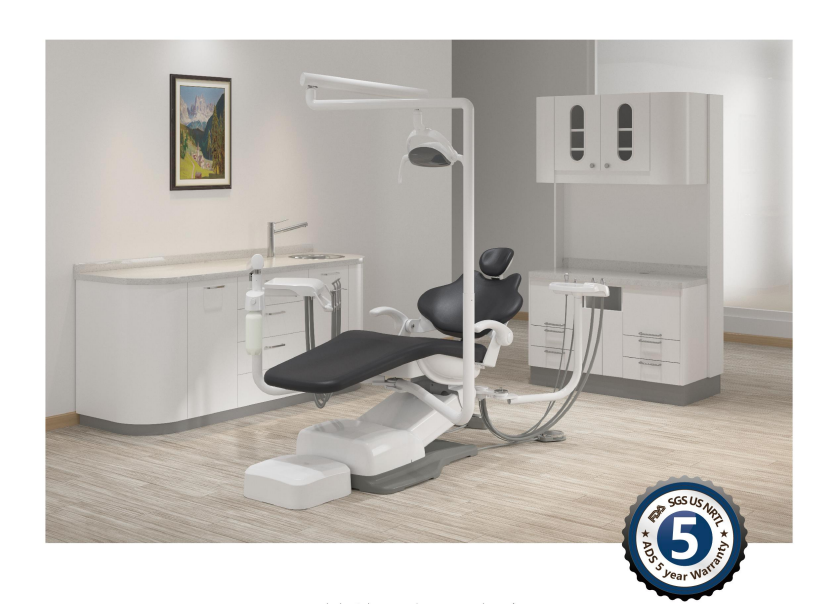
We look at the operatory as a connected system. The imaging equipment needs to coexist with chairs, delivery systems, lighting, cabinetry, sterilization workflows, and digital systems.
A practical planning checklist includes:
- Available room dimensions and equipment clearances
- Electrical and network requirements
- Patient positioning and operator access
- Compatibility with existing digital systems
- Expected imaging volume
- Staff training requirements
- Future expansion plans
- Installation and maintenance considerations
This approach helps us avoid treating equipment as isolated purchases. When we evaluate dental office setup equipment, we consider how each component supports the overall workflow.
Does advanced imaging always mean better dental care?
Not necessarily. We believe technology should be selected according to clinical need rather than novelty.
CBCT is a useful example. Three-dimensional imaging can provide valuable information for specific applications, including implant planning, orthodontic assessment, and endodontic treatment planning. However, professional recommendations emphasize that CBCT should be used when the expected diagnostic benefit supports its use.
We therefore look beyond resolution, field of view, and other specifications. We also consider whether the equipment will actually be used in the way the practice expects.
That approach can prevent an office from investing in capabilities that remain underused while ensuring that important diagnostic needs are not overlooked.
How can imaging influence future practice growth?
We encourage practices to think beyond their current patient schedule. An office may begin with a limited number of operatories but expand later. Clinical services can also change as a practice develops.
That is why we consider scalability during equipment planning. If additional operatories or imaging needs are likely, the initial setup should not create unnecessary barriers to expansion.
We also consider how staff will interact with the technology. Equipment that is technically capable but difficult to incorporate into everyday routines may not provide its full value. Training, workflow, software integration, and accessibility all deserve attention.
What makes an imaging purchase a long-term decision?
A dental imaging purchase should answer more than one question. We need to know what the system does, but we also need to know where it fits, who will use it, how often it will be used, and what the practice may need later.
As a dental imaging equipment supplier, we can help practices evaluate imaging options within the broader context of their equipment plans. Our focus includes new dental equipment from selected manufacturers, with solutions covering imaging, operatories, sterilization, water purification, and cabinetry.
When we approach dental office setup equipment, we believe the strongest result comes from connecting every major purchase to the way the practice actually operates. Northeast Dental Sales takes this equipment-focused approach by helping dental professionals evaluate new equipment and manufacturer options according to their practice requirements. Good planning does not simply fill a room with machines. It creates a workspace where technology supports clinical care from the start.
Frequently Asked Questions
1. What type of dental imaging equipment is commonly used?
Common options include intraoral X-ray systems, panoramic units, and CBCT systems for three-dimensional imaging needs.
2. Should imaging equipment be selected before designing an operatory?
Yes, early selection helps account for space, electrical requirements, positioning, workflow, installation, and future expansion needs.
3. Is CBCT necessary for every dental practice?
No, CBCT should generally be considered when three-dimensional information provides meaningful diagnostic or treatment-planning value.
4. What factors affect dental imaging equipment selection?
Clinical procedures, patient volume, available space, budget, software compatibility, workflow, training, and anticipated practice growth all matter.
5. Can imaging equipment integrate with existing dental technology?
Many systems can integrate with digital workflows, but compatibility should be confirmed before purchasing or installing new equipment.
Contact us
Let's connect! We’re here to help.
Send us a message and we’ll be in touch.
Or give us a call today at 201-259-5368
Agency Contact Form