What Should We Look for in a Dental Chair?
When we think about treatment room upgrades, we often focus on technology first. Yet the dental chair remains one of the most important decisions we make. When evaluating dental chairs for sale in New Jersey, New York, and Pennsylvania, we need to look beyond appearance and price. We should consider positioning, access, comfort, durability, workflow, and how well the chair works with the rest of the operatory.
We also know that equipment buying can become confusing when many options appear similar. Whether we are comparing products online or visiting a dental supply store in New York, we need a clear reason for every feature we choose. A chair should support the way we practice, not force our clinical routine to change around it.
Why does the dental chair deserve more attention?
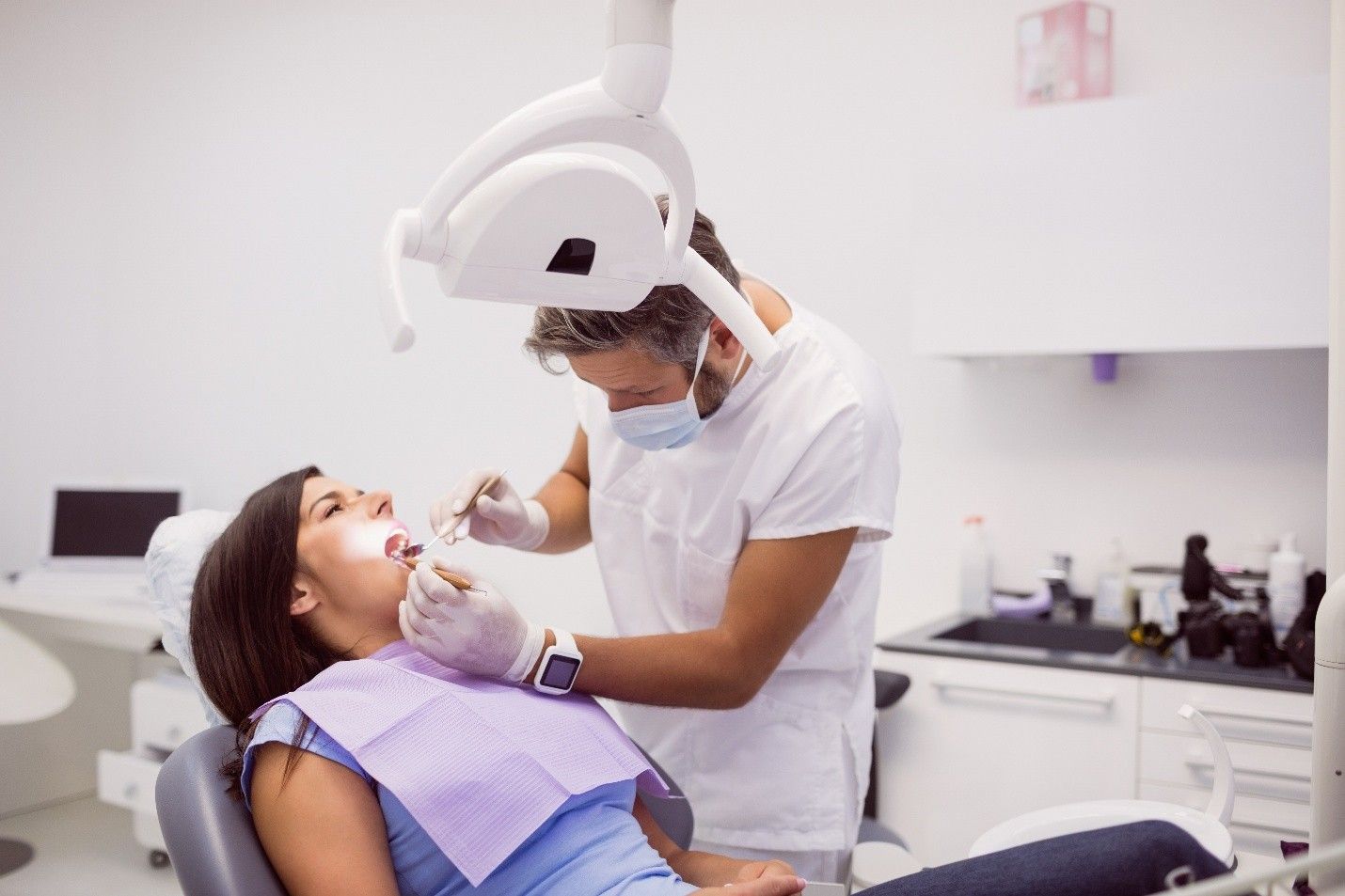
We use the dental chair throughout almost every patient appointment. It supports the patient during examination, cleaning, restorative treatment, and many other procedures. Its position also affects how we approach the patient and how easily our team can access the treatment area.
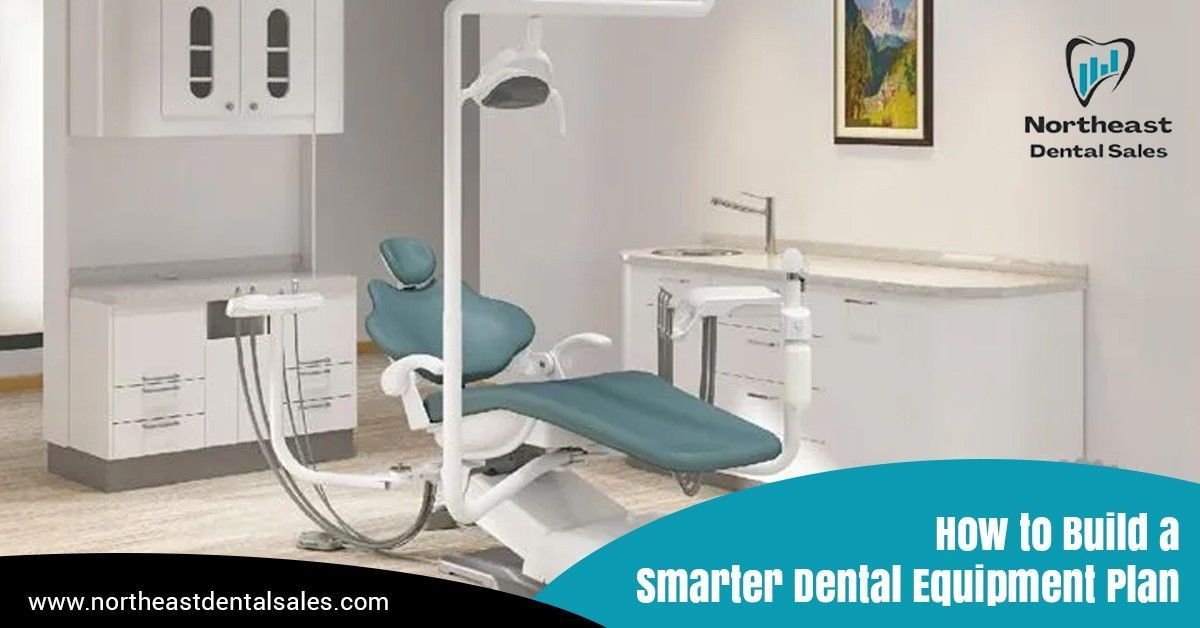
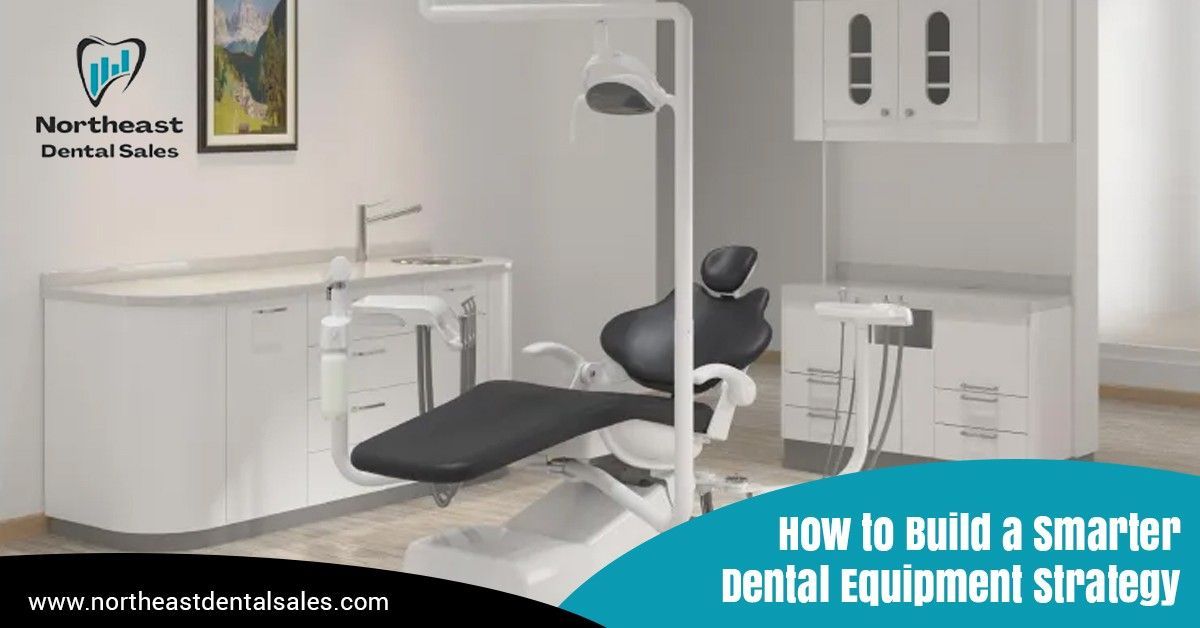
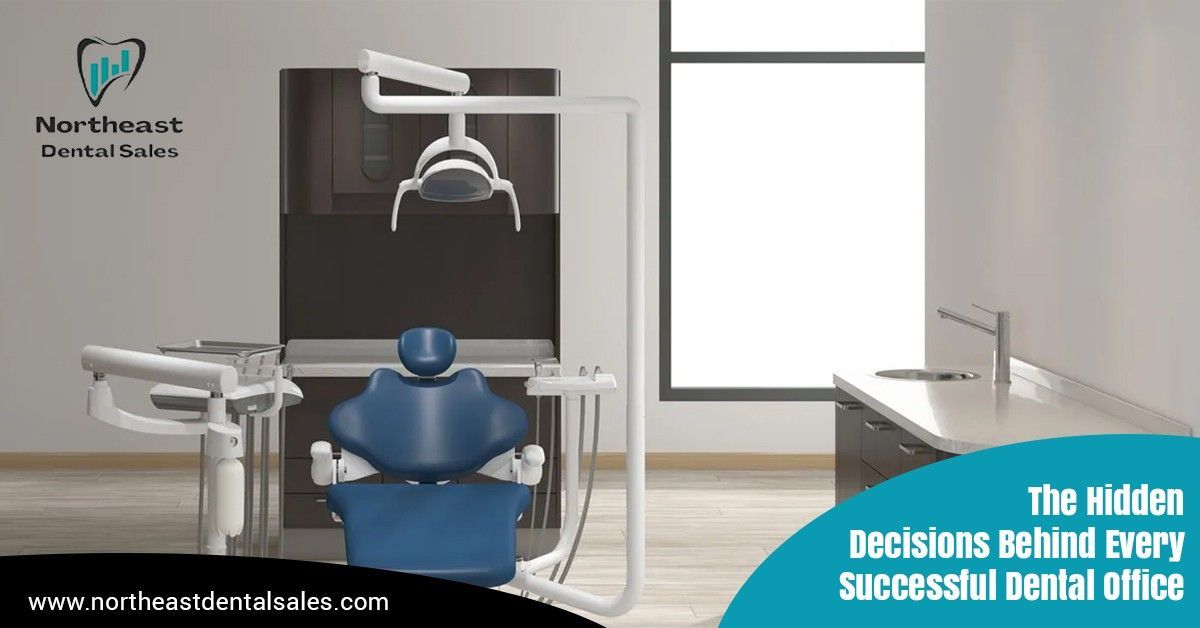
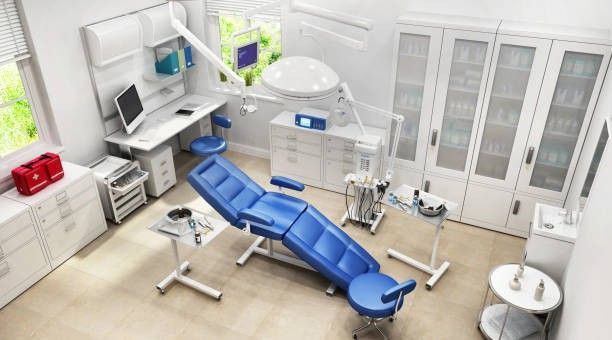
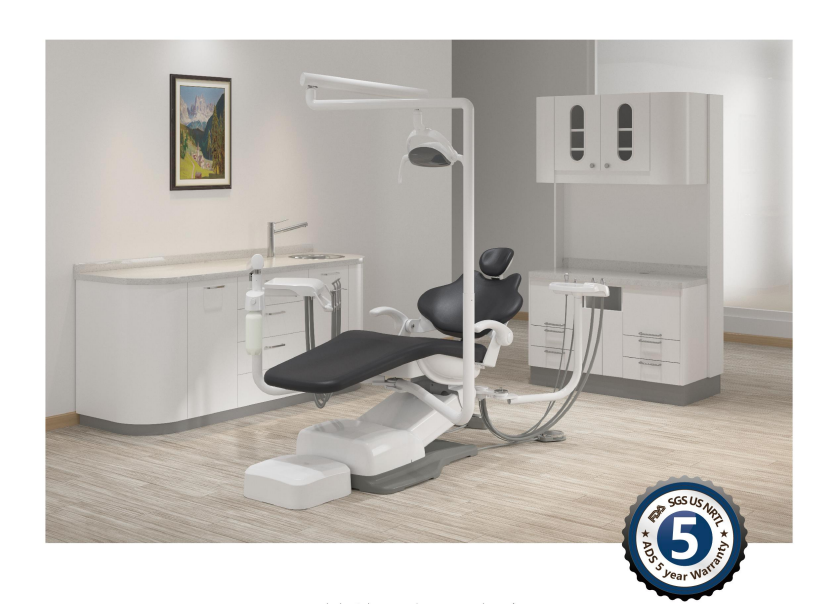
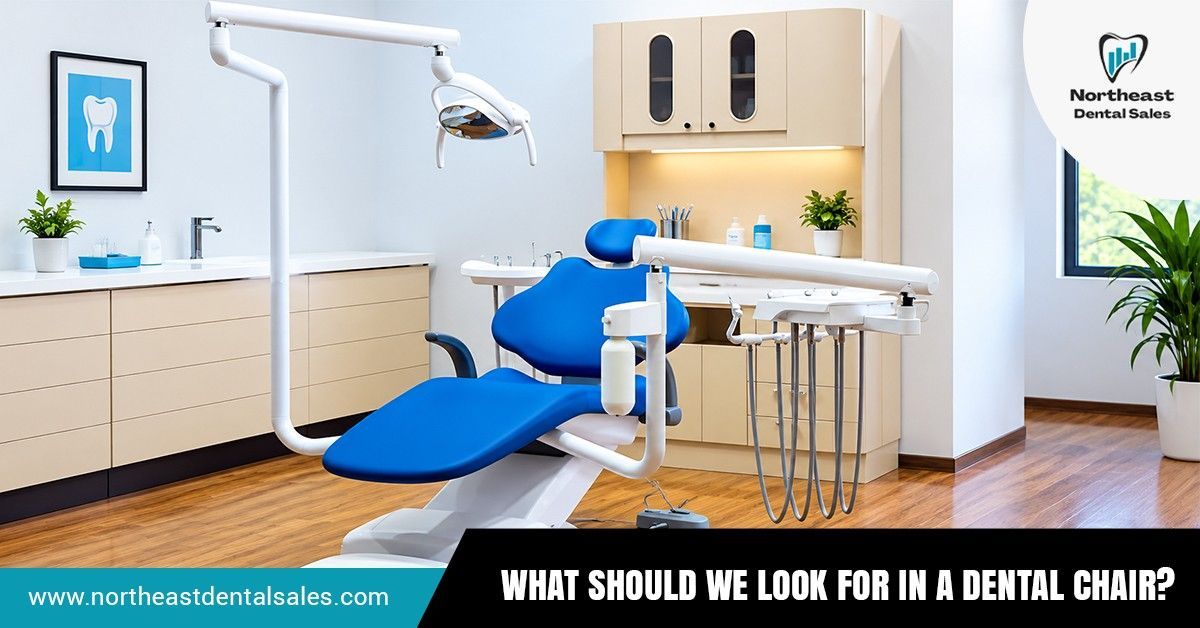
That makes chair selection a workflow decision. We should consider how smoothly the chair moves, how easily we can position patients, and whether the design provides adequate working access. We should also think about how the chair interacts with delivery systems, dental lights, cabinetry, and other equipment. A well-planned treatment room should allow us to work without unnecessary reaching, turning, or repositioning.
What should we check before choosing a dental chair?
Before we compare specific models, we should identify our actual clinical requirements. We can start by reviewing:
• Patient positioning and accessibility
• Chair movement and adjustment controls
• Operator and assistant working positions
• Upholstery design and cleaning requirements
• Compatibility with delivery systems and lights
• Available room dimensions
• Installation and utility requirements
• Manufacturer support and service considerations
This checklist helps us separate useful features from features that may not matter to our practice.
We should also consider the patients who will use the chair. Different practices serve different populations, and patient comfort can become an important part of equipment selection.
How does chair design influence clinical workflow?
Chair design can affect how we move around the treatment area. When positioning is predictable and controls are convenient, we can spend less time making adjustments and more time focusing on patient care.
The relationship between the chair and surrounding equipment is equally important. A delivery system that sits too far away can create unnecessary movement. Poorly positioned cabinetry can limit access. An unsuitable light position can interfere with visibility.
For this reason, we should evaluate the chair as part of the complete operatory rather than as an isolated purchase. This approach also matters when planning a new treatment room. We can establish the intended workflow first and then select equipment that supports it.
Does patient comfort affect our equipment decision?
Yes, patient comfort should remain part of the selection process because patients spend significant portions of appointments in the chair.
We should examine cushioning, positioning, head support, movement, and the overall patient experience. A chair that allows controlled adjustments can help us position patients appropriately while making routine procedures more comfortable.
We should also consider how easily patients can enter and leave the chair. These details may seem minor during a product comparison, but they become meaningful when repeated throughout a busy schedule.
What role does infection control play in chair selection?
The chair itself can become part of our infection-control routine. We should therefore consider surfaces, seams, upholstery, controls, and other areas that may require cleaning or disinfection between patients.
The CDC recommends following manufacturer instructions when cleaning and disinfecting dental equipment and clinical contact surfaces. It also identifies dental chair controls, light handles, and similar surfaces as areas that can become contaminated during treatment.
This gives us a practical reason to consider cleanability before purchasing. A chair should not only look suitable in a showroom. Its surfaces should work with our established cleaning procedures.
Should we choose technology or simplicity?
We should choose based on actual need. Modern dental chairs can include different movement controls, integrated systems, ergonomic features, and other options. These features can be useful when they solve a real workflow problem. However, adding technology simply because it is available does not necessarily create better clinical performance.
When we compare dental chairs for sale in New York, New Jersey, and Pennsylvania, we should ask what each feature contributes to our daily work. If a function improves positioning, accessibility, efficiency, or patient experience, it may justify consideration. If we are unlikely to use it, it may add complexity without meaningful value.
How should we compare price and long-term value?
Purchase price gives us only one part of the financial picture. We should also consider installation, maintenance, replacement parts, expected service life, training, and compatibility with equipment we already own.
A lower initial price may not represent the best value if the chair creates installation challenges or does not work well with our existing systems. Likewise, a more expensive chair may be reasonable when its features directly support our clinical workflow.
This is why we should compare total value rather than simply comparing listed prices. A practical equipment decision considers what we receive, how we use it, and how it fits our broader treatment environment.
What has changed in modern dental equipment selection?
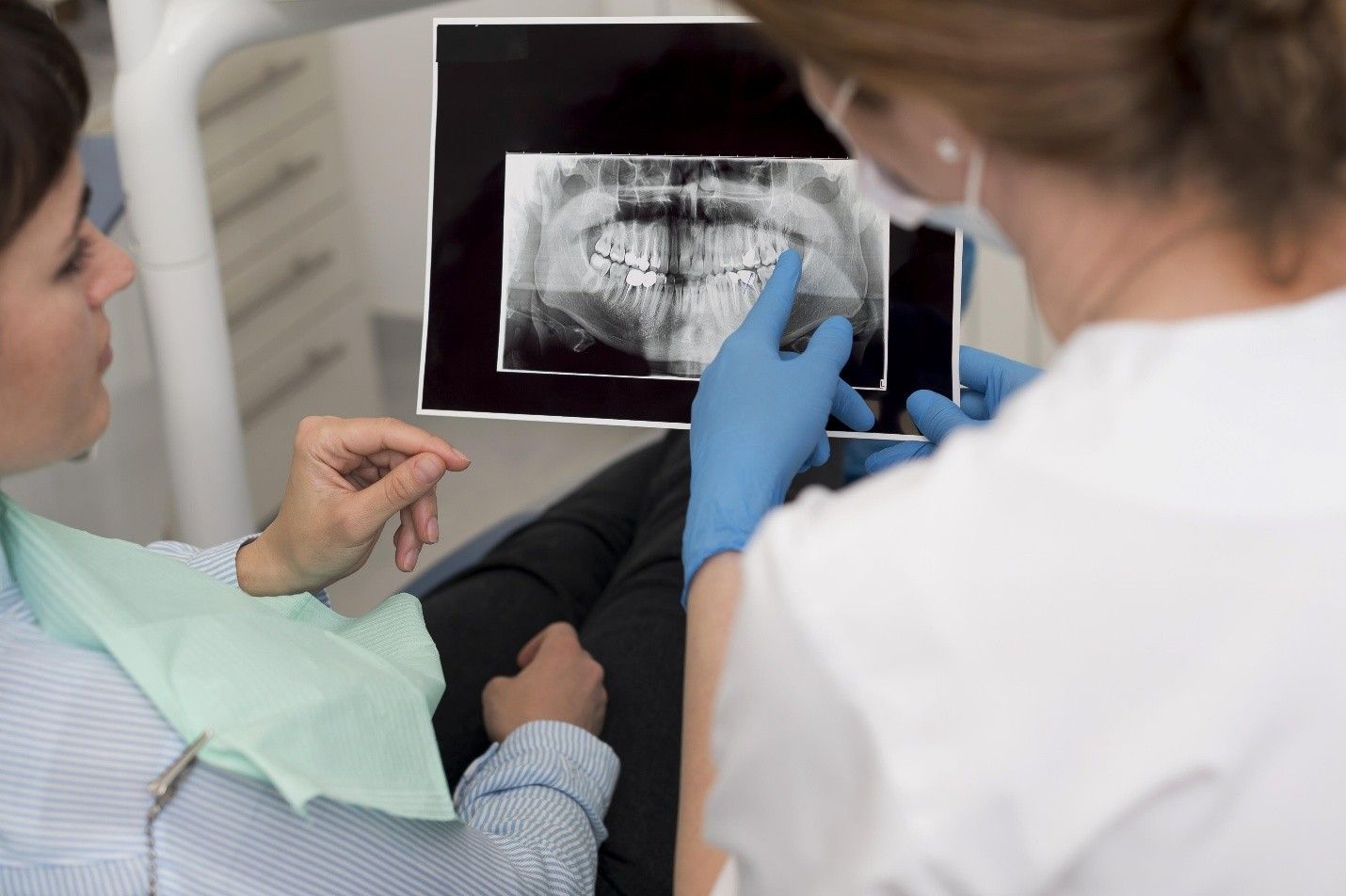
Digital technology has changed many parts of dental practice, particularly imaging and record management. Yet the basic need for functional treatment spaces remains.
The American Dental Association continues to emphasize equipment safety, inspection, maintenance, and proper use within dental practices. Its guidance reinforces the importance of keeping equipment in suitable working condition rather than treating equipment purchases as one-time decisions.
That perspective is useful when we plan an upgrade. We should think beyond installation day and consider how the equipment will perform throughout its working life.
How can we make a more informed chair purchase?
We can begin by mapping our workflow. We should identify where the dentist, assistant, and patient need to be positioned during common procedures. Then we can assess room dimensions, utilities, existing equipment, and future plans.
From there, we can compare chairs based on clinical function, patient comfort, cleanability, compatibility, maintenance, and overall value.
When we approach dental chairs for sale in New York, New Jersey, and Pennsylvania this way, the decision becomes more practical. We are not simply selecting furniture. We are choosing a central component of our treatment environment.
For practices evaluating equipment options in the region, Northeast Dental Sales provides a relevant point of reference for dental equipment and operatory solutions. When we consider a dental supply store in New York or another regional equipment source, our best decisions still begin with the same principle: choose equipment that supports the way we actually work.
FAQs
What is the most important feature of a dental chair?
Patient positioning, operator access, comfort, durability, and compatibility should all influence the final dental chair selection.
How often should dental chairs be replaced?
Replacement timing depends on equipment condition, maintenance history, reliability, technology needs, and the practice's changing requirements.
Are electric dental chairs better than hydraulic models?
Neither is universally better; we should compare movement, controls, maintenance, workflow, and budget before choosing.
Can a dental chair fit any operatory?
No. We should verify room dimensions, equipment placement, utilities, clearance, and installation requirements before purchasing.
What should we consider besides the chair's purchase price?
We should consider installation, maintenance, service support, replacement parts, compatibility, training, and expected long-term operating value.
Contact us
Let's connect! We’re here to help.
Send us a message and we’ll be in touch.
Or give us a call today at 201-259-5368
Agency Contact Form