The Science Behind a More Reliable Dental Sterilization Room
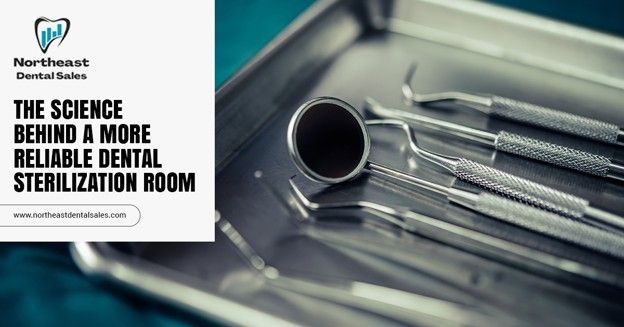
A well-organized sterilization room does more than keep instruments ready for the next appointment. It supports infection prevention, protects reusable equipment, and helps dental teams maintain consistent daily workflows. Choosing the right dental sterilization equipment is an important part of this process, especially when practices want reliable results without creating unnecessary delays or operational expenses.
When exploring dental equipment sales in New York, we encourage dental professionals to look beyond individual machines and consider the entire instrument processing environment. From cleaning and packaging to heat sterilization, monitoring, and storage, every stage depends on equipment that works together.
Why Should We Think Beyond the Autoclave?
A sterilization room is a connected workspace, not simply a place where instruments are placed inside a machine. Each stage prepares items for the next, and overlooking one step can affect the entire process.
We believe equipment selection should begin with understanding how instruments move through the practice. Reusable instruments first undergo cleaning, followed by inspection, packaging, and sterilization using an appropriate validated method. After processing, they require proper storage to maintain their condition until use.
Automated cleaning equipment, ultrasonic cleaners, and washer-disinfectors can support the initial cleaning stage. Sterilizers then handle the appropriate heat-processing requirements. Having equipment suited to each task helps create a more organized workflow.
How Does Technology Improve Sterilization Monitoring?
Modern sterilization practices rely on more than simply running a machine and assuming the instruments are ready. Monitoring provides essential information about whether the equipment has reached the required operating conditions.
According to the Centers for Disease Control and Prevention (CDC), dental practices should use three forms of sterilization monitoring:
- Mechanical monitoring: We check sterilizer gauges, displays, or printouts to confirm that the recommended time, temperature, and pressure parameters have been reached.
- Chemical monitoring: Chemical indicators help verify that sterilizing conditions have reached the instrument packages. An internal indicator should be used inside every package.
- Biological monitoring: Spore tests assess the sterilization process using highly resistant microorganisms. The CDC recommends biological monitoring at least once a week, using a matching control.
This frequency is an important operational benchmark for dental teams. We also recognize the importance of maintaining monitoring and maintenance records to support accountability and help investigate potential equipment problems.
What Should We Evaluate Before Purchasing a Sterilizer?
Key Considerations When Selecting Sterilization Equipment
- Processing Capacity
Daily instrument volume and overall sterilization requirements.
- Equipment Compatibility
Compatibility with approved instrument types and packaging materials.
- Available Space
Machine dimensions and available room configuration.
- Operating Requirements
Electrical connections, installation, and operational needs.
- Maintenance
Routine inspections, replacement parts, and ongoing servicing requirements.
- Manufacturer Support
Warranty coverage, technical assistance, and validated operating instructions.
We also suggest reviewing how frequently the equipment will operate. A busy practice with several treatment rooms may have different processing demands from a smaller clinic.
Comparing specifications before purchasing helps prevent mismatched equipment and unexpected operating challenges.
How Can Better Equipment Planning Reduce Workflow Interruptions?
This can impact on the availability of appointments and cause further stress for dental staff. Equipment should therefore be chosen to suit the work to be carried out during the practice.
We would suggest owners of practices estimate how many instrument sets they need during the average day, when they are at peak processing times, and think about how much space is available to store the instruments. This information is used to ascertain if an existing sterilizer is capable of providing the required demand or if there is a need for extra capacity.
We also suggest having supplies available and keeping items separate from clean to contaminated items. A more reliable system can be achieved by having covered storage cabinets, by using the right packaging and by exactly recording processing steps.
A practical arrangement also provides sufficient space for workers to maneuver around while cleaning, packaging, sterilizing and storing.
Why Does Manufacturer Experience Matter When Selecting Equipment?
There are different operating requirements for the various technologies of sterilisers. Decision making should be based on proven manufacturer's directions, instrument compatibility, maintenance and technical information.
It's our opinion that knowledge of the product is especially crucial during a comparison of several different brands of equipment. Knowing the difference between hot-air and other types of heat sterilization systems aids dental practitioners in making a decision about the best system to use for their respective applications.
Buyers should also take into account the manufacturer's track record for product support, replacement part availability, and warranties. A machine that makes sense beyond the day that it's in the practice.
How Can We Help Practices Make Better Equipment Decisions?
To ensure a reliable sterilization area, careful coordination and selection of equipment, clinical requirements and space availability is required. We put the emphasis on the exploration of products by selected manufacturers and comparing solutions based on their needs.
At Northeast Dental Sales, our manufacturer representation includes CPAC sterilization and evacuation equipment, along with other dental products that support practice operations. Founded by Mark Hahn, we bring more than 30 years of dental industry experience to equipment discussions across New York, New Jersey, and Eastern Pennsylvania. For practices researching dental sterilization equipment or comparing dental equipment sales in New York, Northeast Dental Sales provides access to manufacturer information and equipment options that can support informed purchasing decisions.
Frequently Asked Questions
1. How often should dental sterilizers undergo biological monitoring?
We recommend following CDC guidance, which calls for weekly spore testing with a matching control and manufacturer instructions.
2. Why are chemical indicators used in sterilization packages?
They help confirm sterilizing conditions reached the package interior, but they do not prove sterility.
3. What should dentists check before purchasing a sterilizer?
Compare cycle capacity, instrument compatibility, footprint, utilities, maintenance needs, warranty terms, and manufacturer instructions carefully.
4. Why must dental instruments be cleaned before sterilization?
Cleaning removes debris that can shield microorganisms and interfere with the later sterilization process effectively.
5. How should sterilized dental instruments be stored?
Store instruments in covered cabinets and inspect packaging for moisture, tears, or punctures before use.
Contact us
Let's connect! We’re here to help.
Send us a message and we’ll be in touch.
Or give us a call today at 201-259-5368
Agency Contact Form